Memories of a Boxing Broad
By Amy Lennard Goehner / Hudson, N.Y.
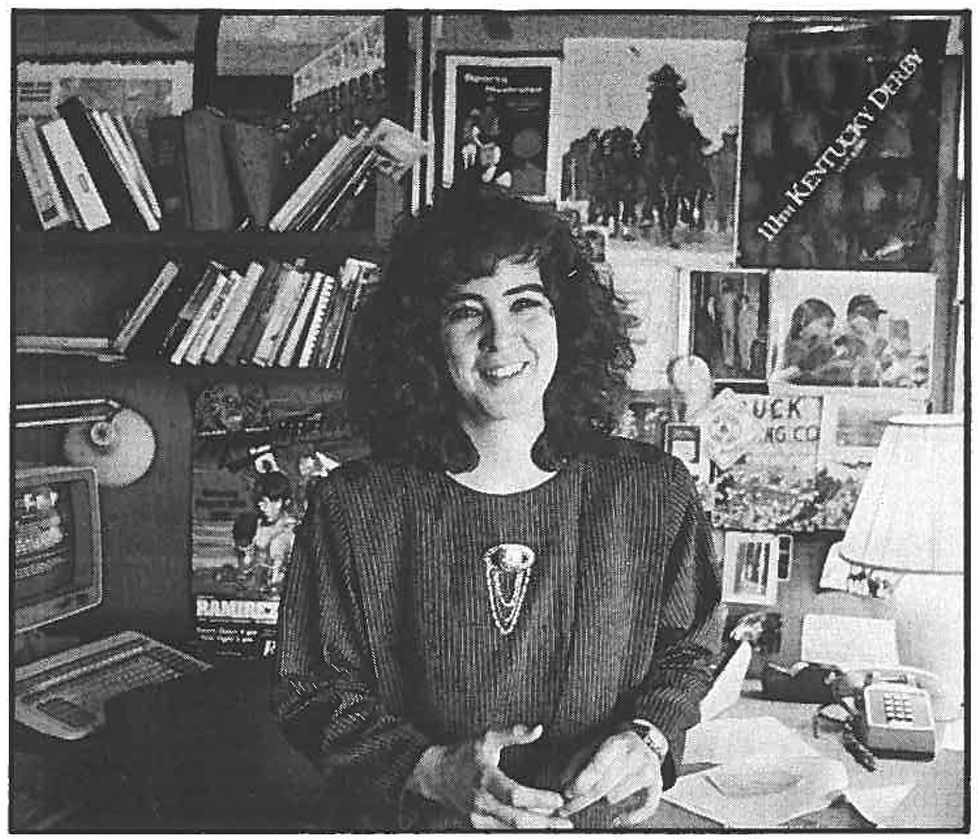
Exactly 46 years ago, a column written by the iconic sportswriter Red Smith ran in the New York Times, referencing middleweight boxer Marcel Cerdan. I saved the now-crumbling, faded clipping because it had the best opening paragraph of any story I had ever read. And it inspired me, an unschooled, wannabe sports reporter.
At that time, I was working at a clerical job at the Korea Herald, my first stateside job after my Peace Corps and U.S. Army civilian stints in Korea. I mustered up my courage and wrote Smith a letter saying, “Dear Mr. Smith. Three of the four walls in my office get to me. But the fourth wall is filled with headlines that read, ‘Red Smith: Sports of The Times’. Thank you, Mr. Smith, for filling up those spaces.”
To my delight, a letter from Smith shortly arrived. It read: “Dear Miss Lennard. Thank you. And I think you should do something about those other three walls.”
Those were fighting words and they spurred me on.
My introduction to sports had come with boxing in Brooklyn at age five. I’d head upstairs from our garage apartment to watch our Grandpa Abe (who, btw, made the best pickles in Sheepshead Bay), with his eyes glued to the black-and-white Zenith screen watching the Friday night fights. Abe would lean in, crouched in his chair, while holding up his hands and jabbing at an invisible opponent. My second dose of boxing DNA was provided by my equally beloved Grandpa Sam, who lived nearby near Coney Island. Sam had boxed as an amateur.
Fast forward from the Korea Herald to an interview at Sports Illustrated in 1984, where I reminded my interviewer (and future mentor), “It isn’t too early to plan for the 1988 Seoul Olympics — and by the way, I speak Korean.” Nailed the job!


It has been several decades since my halcyon years as a cub boxing reporter in the ‘80s. But I had a chance to revisit those times not long ago when I was approached by some producers at Showtime. They were making a documentary called The Kings, showcasing middleweight boxing legends Marvin Hagler, Roberto Duran, Sugar Ray Leonard and Thomas Hearns. They asked for tapes of any interviews I’d done with those fighters or their trainers. Luckily, they didn’t need my tape recorder from the ‘80s. It's probably stowed somewhere next to my Betamax or boombox.
I somehow found my beat-up duffle bag which had been unopened for ages and was amazed at the treasure trove of cassettes it contained, including interviews with horse racing trainers (my other beat). I found a stash of prized middleweight bounty for the Showtime folks. But I couldn’t resist lingering just a little longer on memory lane, as I came across some unforgettable interviews I’d had with heavyweights ih the '80s..
Wow! Here’s my tape from the three hours I spent at the house of Mitch ”Blood” Green's mom in Queens, NY,— just me and Blood. He was 6' 5" and I was there to talk to him about his upcoming fight with Mike Tyson. But he just wanted my advice on women. He was quite chatty and friendly. So, I was shocked a year later when I awoke to a radio news report saying that Mitch ”Blood” Green had been arrested while impersonating a gas station attendant and robbing cars until the cops showed up. “Surely that must be some other Blood! " I said to myself.
Aw, my Gerry Cooney interview! The tape was intact. Sadly, Cooney didn't look that way after his bout against Michael Spinks during “The War at the Shore” in Atlantic City. I had traveled there a few days before the fight to get some story color. On my second day, I ran into Cooney in the hotel lobby — alone! No throngs of reporters! Exclusive quotes! I asked Cooney if he had some time to chat. “Come to my room in 10 minutes. I’ll be getting a massage,” he answered. I quickly did the math: Massage equals one massagee and one masseuse, that's two people. Phew. "Sure," I said confidently. "What's your room number?"
When I entered his room, Cooney lay on a table with just a small towel draped over his 6' 6" frame. He started talking — but not about boxing. It was the first come-hither come-on I had ever received from any athlete. I ignored it and asked him his game plan against Spinks’ overhand right. Cooney stopped pulling punches and quickly fell in line.
Yikes! Here’s my interview with a fighter whose name I am still afraid to mention, given that our meeting was part of an investigative assignment I was on to get the goods on a nogoodnik boxing promoter. When I arrived at the godforsaken Outer Borough building for our meeting, NoName was seated at a long table, flanked by two equally unsmiling, large men, their beefy arms crossed in front of them. "Where did you get my number?" one of his henchmen asked me. I had been told explicitly NOT to reveal my source. So I humana-humanad, Ralph Kramden style, all the while trying not to picture the New York Post headline: Day 12: "Sports Illustrated Reporter Still Missing."
Hey, where did this tape come from? A cassette from a Sports Phone assignment to cover a New York Rangers hockey game? My boss had asked me to fill in for the hockey reporter. “Put me in, coach!” was my response, regretting those words the minute I stepped into the locker room and into uncharted turf — naked turf. Standing next to these tall men I kept my microphone (and eyes) up, telling myself, “Just let me survive this locker room and get back to my comfort zone.”
Get me back to boxing. Red Smith and my grandpas would agree that it’s a civilized sport, where men keep their privates private during interviews!
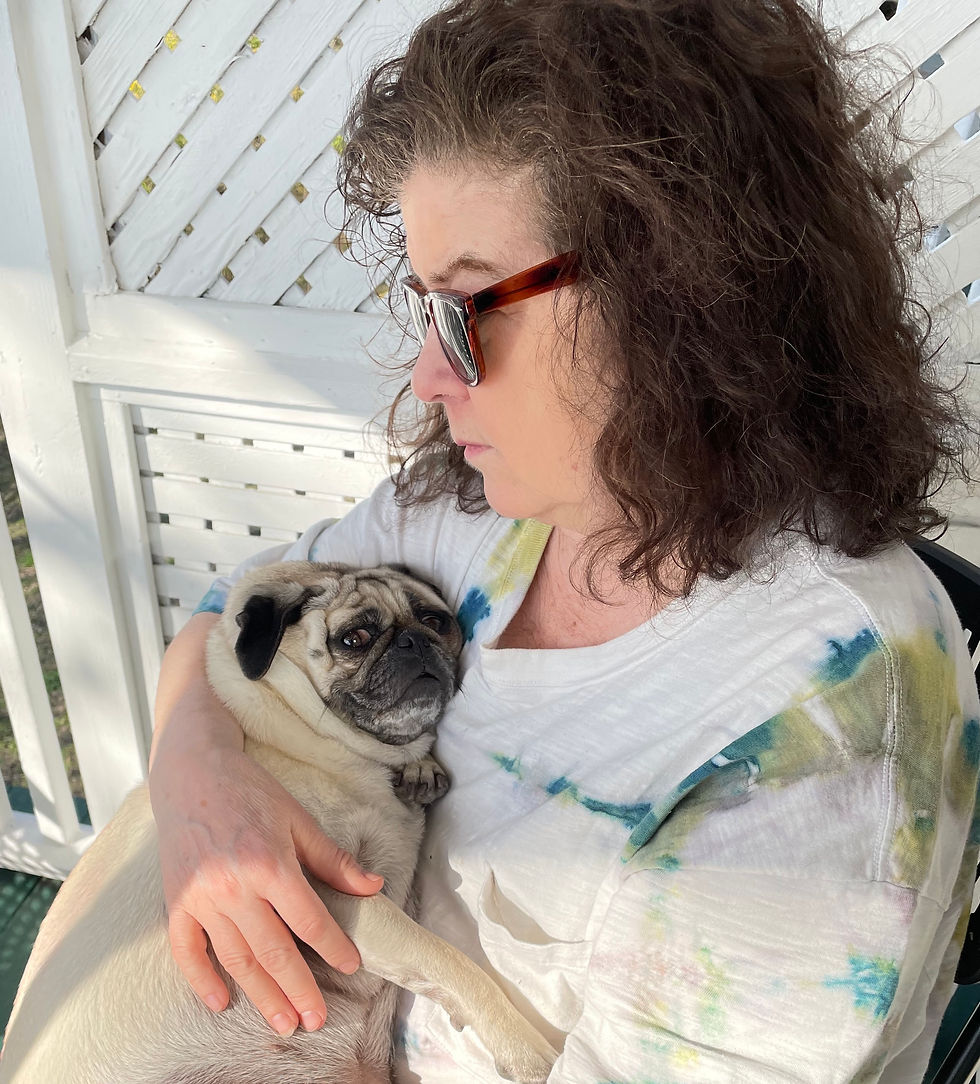
Amy Lennard Goehner has always had Lady Luck on her side in landing dream jobs — after college as a Peace Corps volunteer in Korea and years later as a reporter at Sports Illustrated, covering boxing and horse racing. That luck continued with reporting jobs at Sports Illustrated for Kids and at Time magazine. She currently is a contributing writer to AARP’s Livable Communities and is grateful for the opportunity to write about people who are making life better in their own communities.
She's a serial glass ceiling shatterer! I also watched the Friday night fights with my grandfather but it was the trips to Belmont, Aqueduct and Saratoga with my father that really captured my heart. So I want to hear Amy's horse racing stories, too!
Love to hear about your history in sports when very few women were “allowed” to be journalists in this field.
So glad that you’re working the beat at AARP and putting your talents into research to help us oldies 😊